
Coffee Bar Essentials List: Accessories, Supplies and Must-Haves (Printable Checklist)
This post has affiliate links. If you buy through them, I may earn a small commission at no extra cost to you. As an Amazon Associate I earn from qualifying purchases. How I pick products
On this page
Every home coffee bar needs three groups of essentials: core brewing gear (a coffee maker or espresso machine, a burr grinder, a kettle and often a scale), storage and organization (an airtight canister, a pod or condiment caddy, a mug rack) and flavor add-ins (syrups, creamers and sweeteners). What you add on top depends on how you brew, from pods to espresso, and how much counter space you have.
This list sorts every item into essential, upgrade or splurge, so you can buy the short list first and add the rest only if you miss it. The product picks come from manufacturer specs, dimensions and listings; I haven’t used them myself.
What is a coffee bar essentials checklist?
A coffee bar essentials checklist is a categorized list of the tools, storage and ingredients a home coffee station needs, marked by priority. Tick what you already own, then buy only the gaps, starting with the essential tier. A coffee bar also needs a dedicated surface near an outlet and, ideally, close to water.
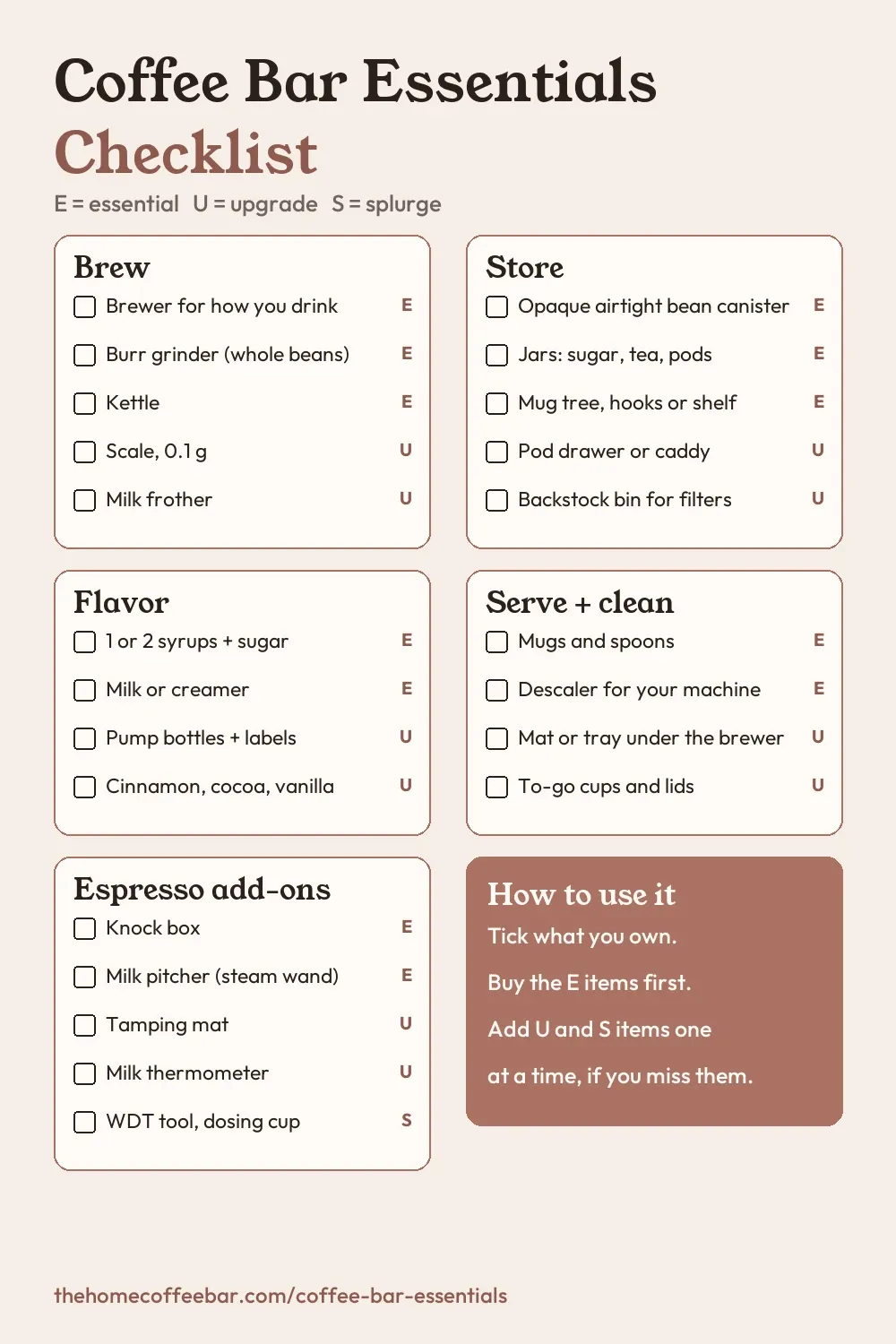
The list is split into six parts: the core checklist, accessories, ingredients, espresso add-ons, essentials by setup and the budget tiers.
The coffee bar essentials checklist: what you need
Here is the master list. Essential means you’ll use it daily, upgrade means it improves a daily habit, and splurge means nice to have.
| Item | Why you need it | Tier | Who needs it |
|---|---|---|---|
| Brewer or espresso machine | Makes the coffee | Essential | Everyone |
| Burr grinder | Even grind size for fresh flavor | Essential | Whole-bean buyers |
| Kettle | Hot water for pour-over, French press, tea and cocoa | Essential | Manual brewers, tea drinkers |
| Opaque airtight canister | Keeps air, moisture, heat and light off the beans | Essential | Everyone |
| Mug tree, hooks or shelf | Mugs within reach, off the counter | Essential | Everyone |
| Sugar jar and spoons | The basics people reach for | Essential | Everyone |
| Digital scale, 0.1 g | Measures the coffee-to-water ratio | Upgrade | Pour-over and espresso |
| Gooseneck kettle | Slow, precise pour | Upgrade | Pour-over |
| Milk frother | Foam for lattes without a steam wand | Upgrade | Pod and drip drinkers |
| Pod drawer or caddy | Gets pods and packets out of boxes | Upgrade | Pod brewers |
| Syrup pump bottles and labels | Measured pours, matching look | Upgrade | Syrup users |
| Mat or tray under the machine | Catches drips and grounds | Upgrade | Everyone |
| Temperature-control mug | Keeps a slow cup hot | Splurge | Slow sippers |
Coffee maker or espresso machine
Pick the brewer by how you drink, not by what looks good on the counter. Ask two questions: how many cups do you make at once, and do you want milk drinks? The common types are drip for a pot at a time, pod machines like Keurig or Nespresso for one cup in a minute, French press for full-bodied coffee with no paper filters, pour-over drippers like the Hario V60 or Chemex for control, and an espresso machine for lattes and cappuccinos. One person who wants one cup fast is a pod or pour-over household. A family that drinks a pot is a drip household. Anyone who orders lattes out is a candidate for espresso, or for a pod machine plus a frother. This list doesn’t review machines; espresso shoppers should read a dedicated guide. …read our best espresso machines for home guide.
Burr grinder, gooseneck kettle and scale
These three do the most for flavor once you have a brewer:
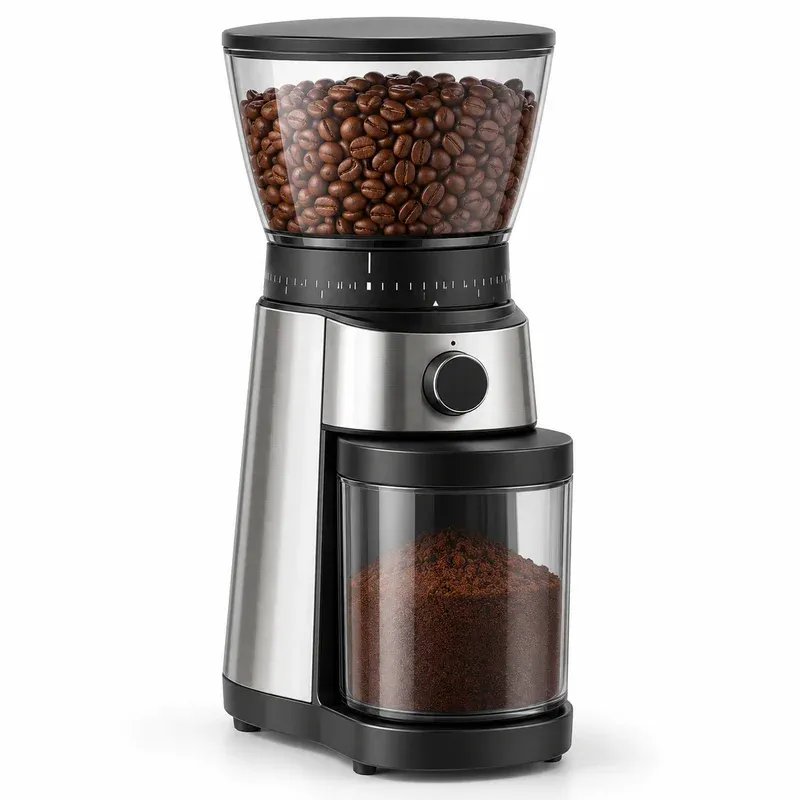
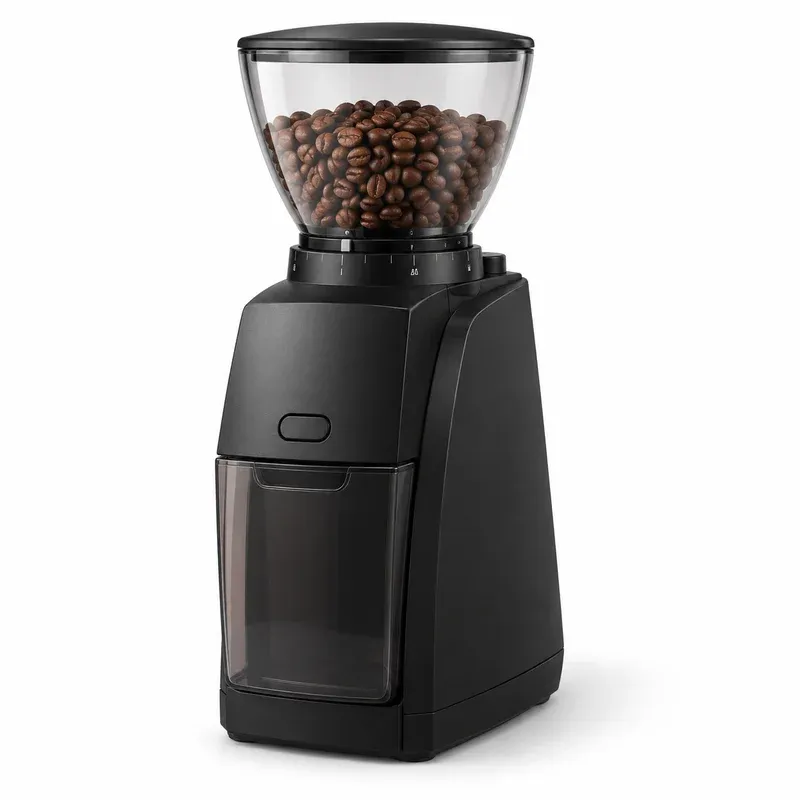
- Burr grinder: crushes beans to an even size, which is what makes freshly ground coffee taste better than pre-ground. The OXO Brew has 15 settings plus micro-settings (OXO); the Baratza Encore ESP covers espresso to French press.
- Gooseneck kettle: the long spout lets you pour slowly over a pour-over bed. Electric models like the Fellow Stagg EKG Pro also hold a set temperature.
- Scale: weighs coffee and water so the ratio is the same every morning. A 0.1 g scale with a timer covers pour-over and espresso.
Shop grinders, a kettle and a scale
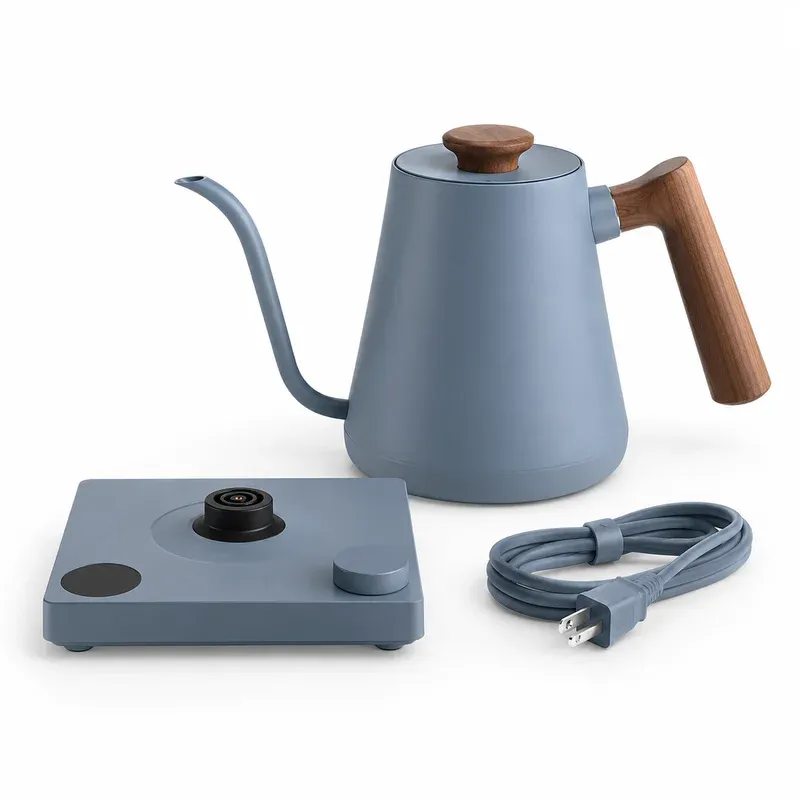
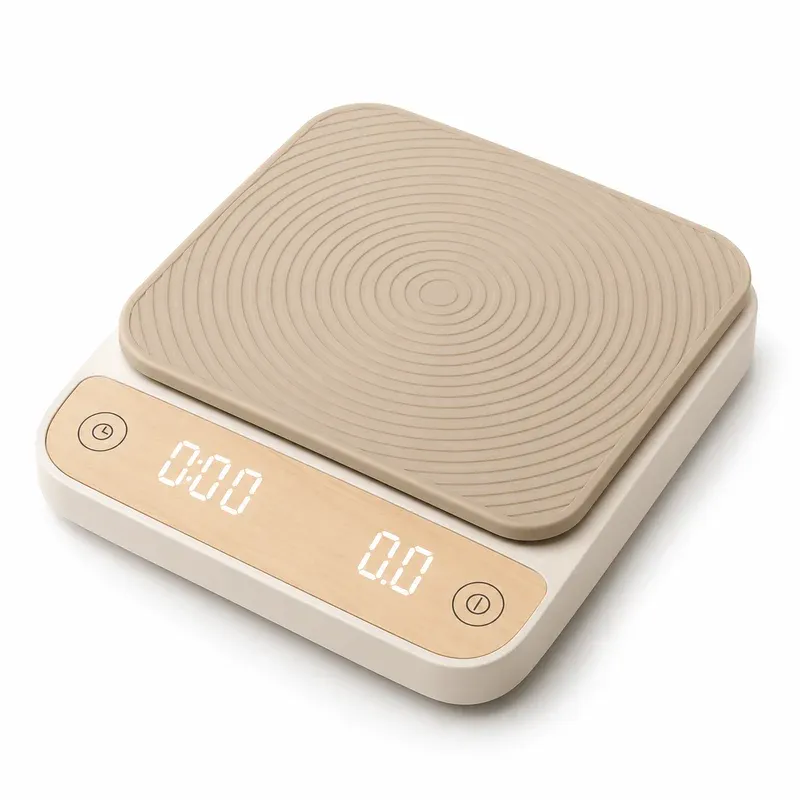
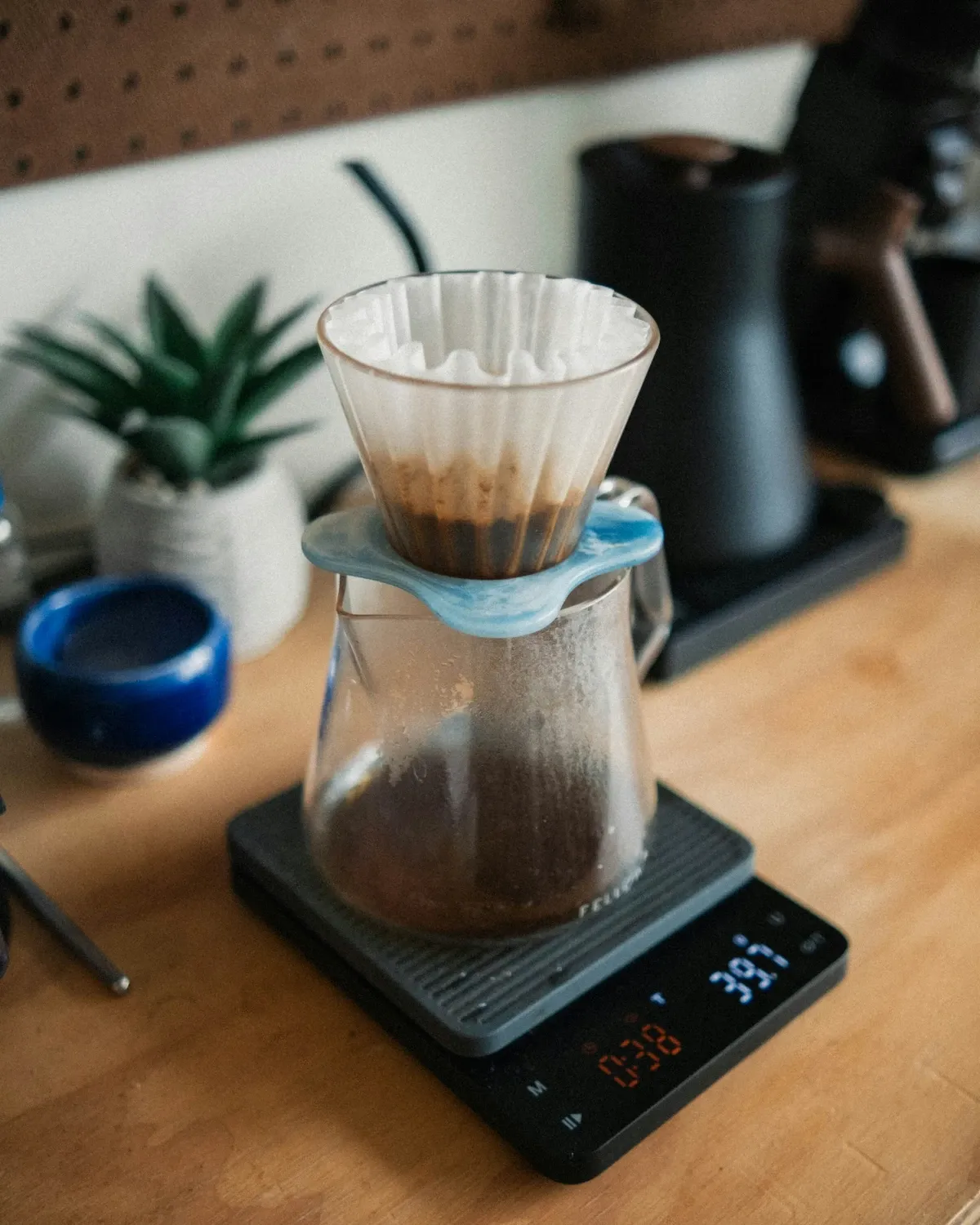
Milk frother
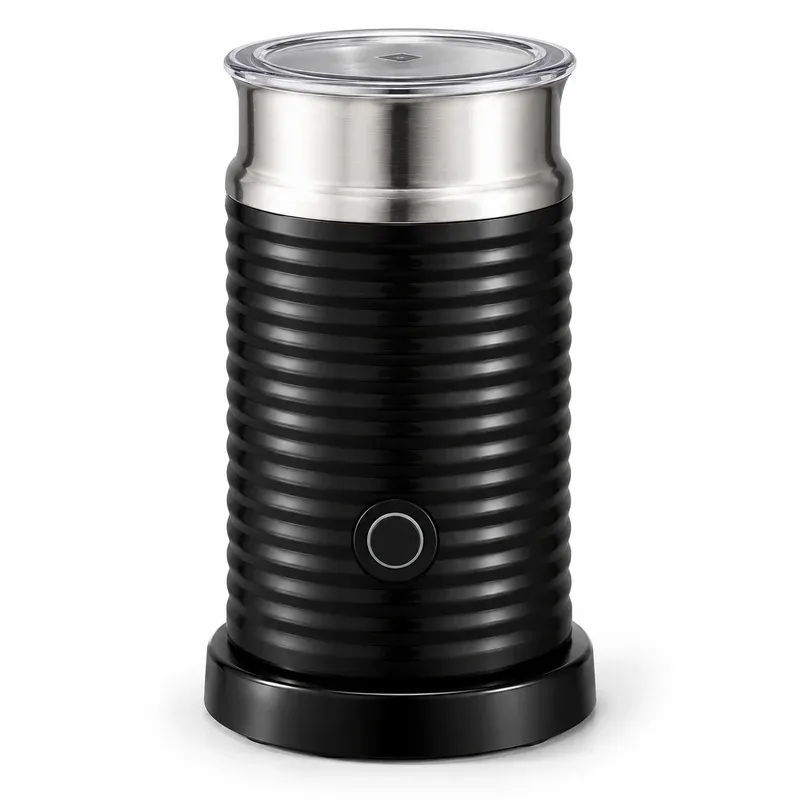
There are three ways to foam milk at home. The table below shows which fits which setup.
| Type | How it works | Best for | Counter space |
|---|---|---|---|
| Handheld wand | Battery whisk you dip into warm milk | Pod, drip and instant coffee | None, lives in a drawer or stand |
| Electric frother jug | Heats and froths milk at the push of a button | Lattes without an espresso machine | About the size of a mug |
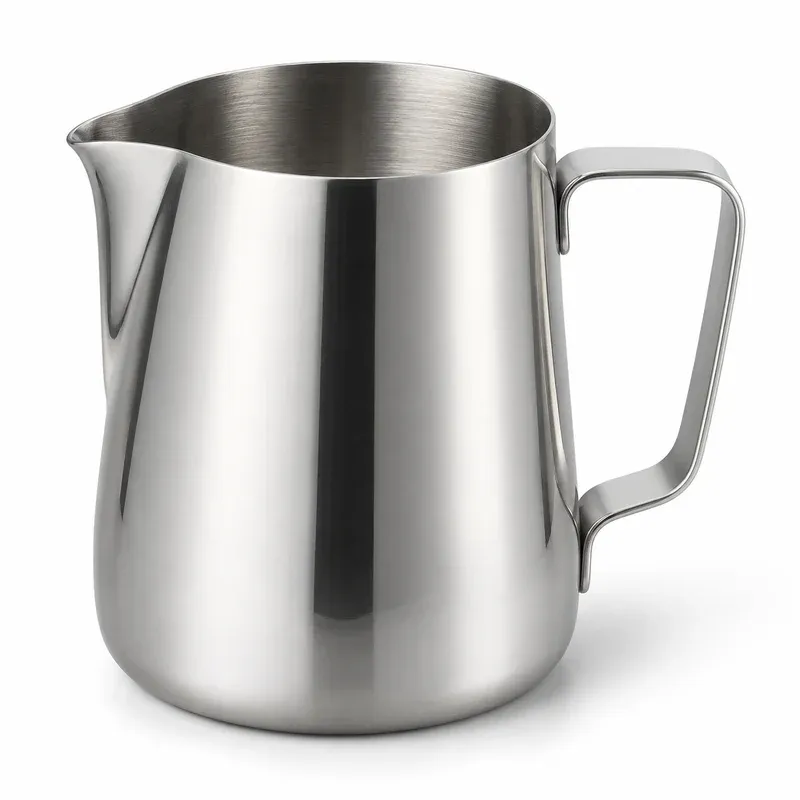
| Steam wand and pitcher | Steam from the espresso machine textures milk in a steel pitcher | Espresso machine owners | Pitcher only |
Shop milk frothers
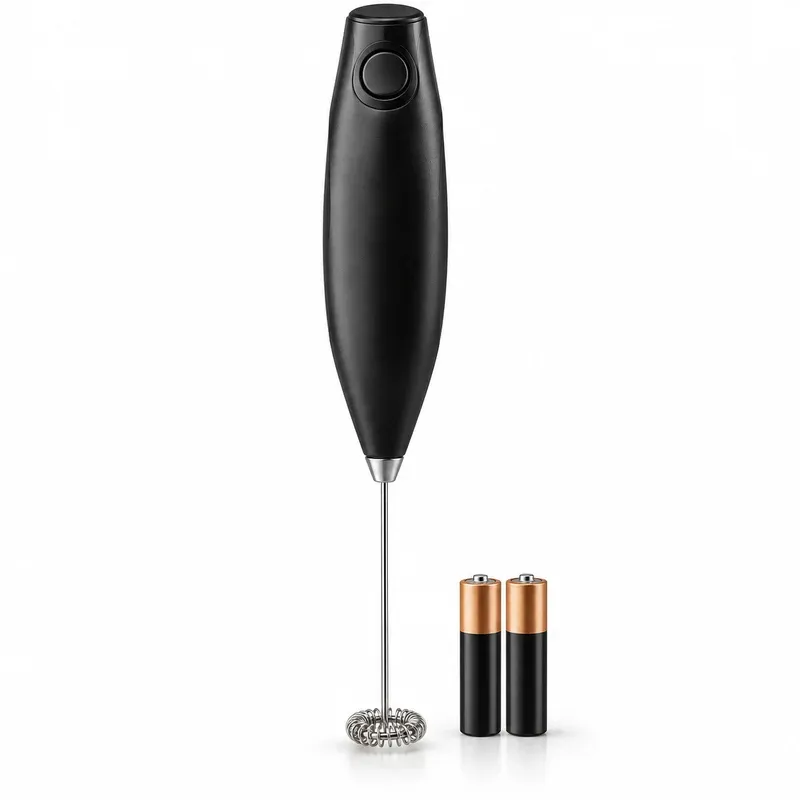
Coffee station, nook and corner essentials
A coffee station, nook or corner uses the same list, cut down to fit. Keep the brewer, one canister and a few mugs, and move everything else into a drawer or onto the wall. The test for each item is the same: if you use it every morning, it earns counter space; if you use it once a week, it lives in a drawer. The countertop coffee station guide has to-scale layouts for 24, 36 and 48 inches.
Coffee bar accessories that make the setup work
Accessories fall into three groups: brewing and prep, storage and organization, and decor. Buy storage before decor, because a tidy bar looks styled even with nothing decorative on it.
Brewing and prep
The small tools around the brewer are cheap and get used every day:
- Filters in the right size for your brewer, stored in a drawer or a filter holder. A reusable metal or cloth filter cuts the reorders.
- A measuring scoop, if you don’t weigh. The National Coffee Association’s “golden ratio” is 1 to 2 tablespoons of ground coffee per 6 ounces of water, so a 2-tablespoon scoop makes the math easy.
- Stirring spoons and a spoon cup, plus a small dish for used stirrers.
- A timer, which most 0.1 g scales include, for French press and pour-over.
- A cleaning brush and descaler. Grinders need brushing, and every brewer with a water tank needs descaling on the schedule in its manual.
Storage and organization
- Airtight, opaque canister. The National Coffee Association names air, moisture, heat and light as coffee’s enemies, recommends an opaque airtight container, and suggests buying only one or two weeks of beans at a time.
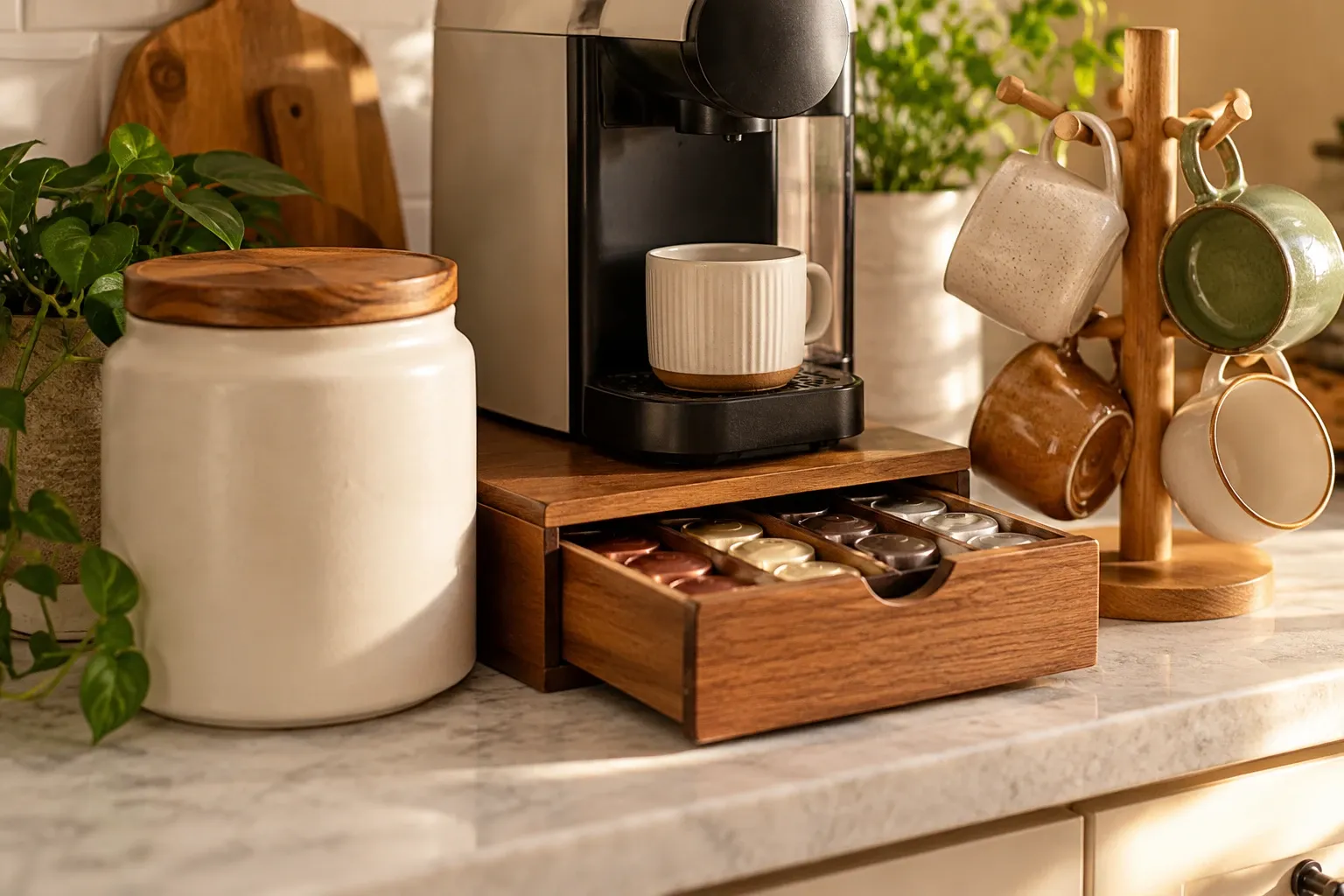
- Pod drawer or caddy. A drawer under the brewer holds 36 pods in zero extra space; a caddy holds pods, tea bags, stirrers and napkins.
- Mug storage. A mug tree, hooks under the cabinet or a floating shelf keeps mugs within reach.
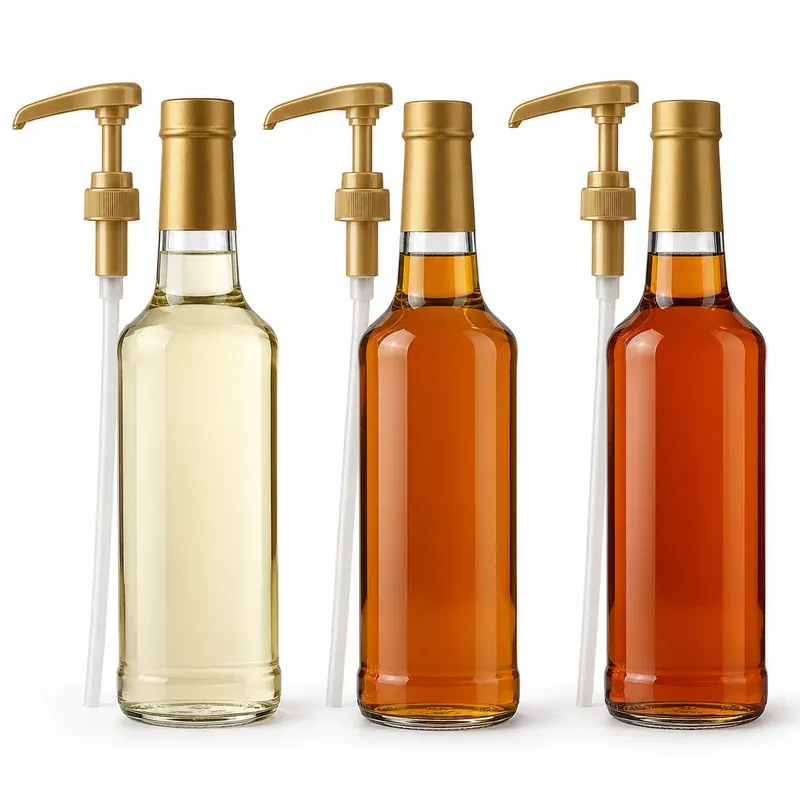
- Syrup bottles. Pump bottles cut sticky drips, and Torani’s pump dispenses 1/4 ounce per press, so recipes stay consistent.
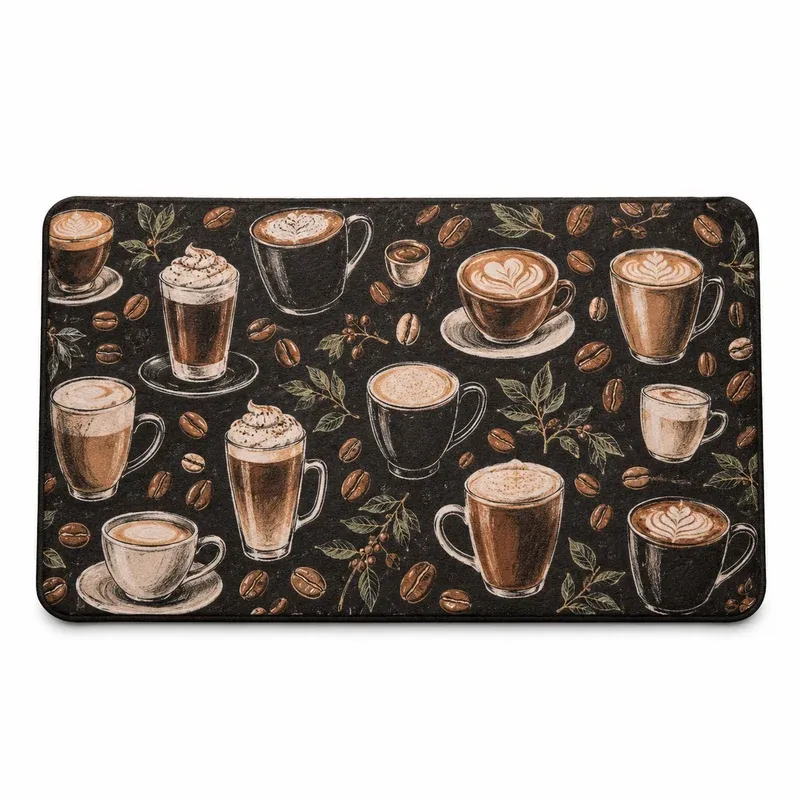
- Mat or tray. A runner, mat or wooden tray under the machine grounds the station and catches drips.
Shop storage
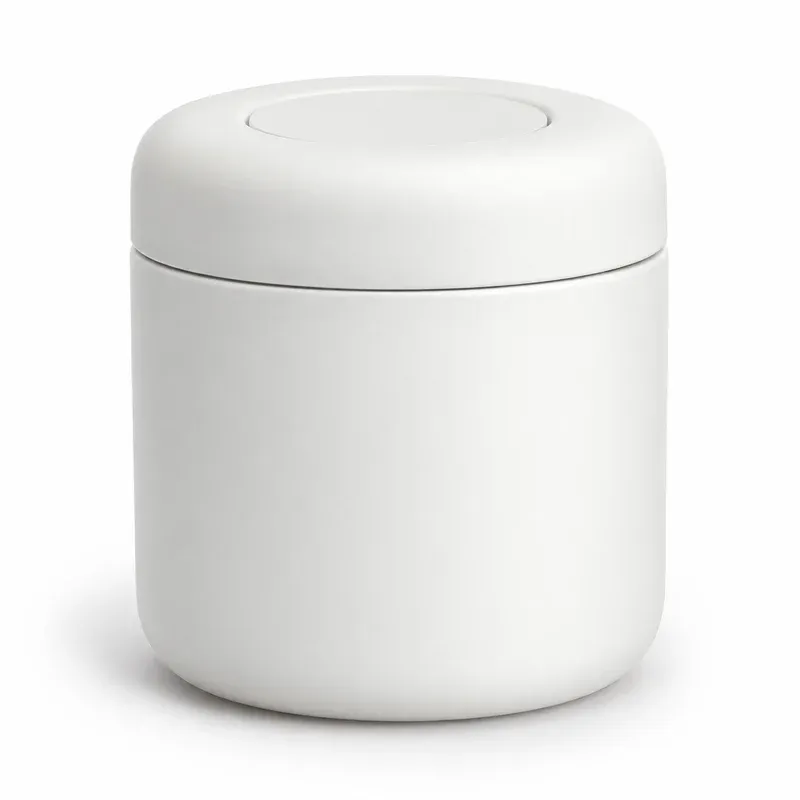
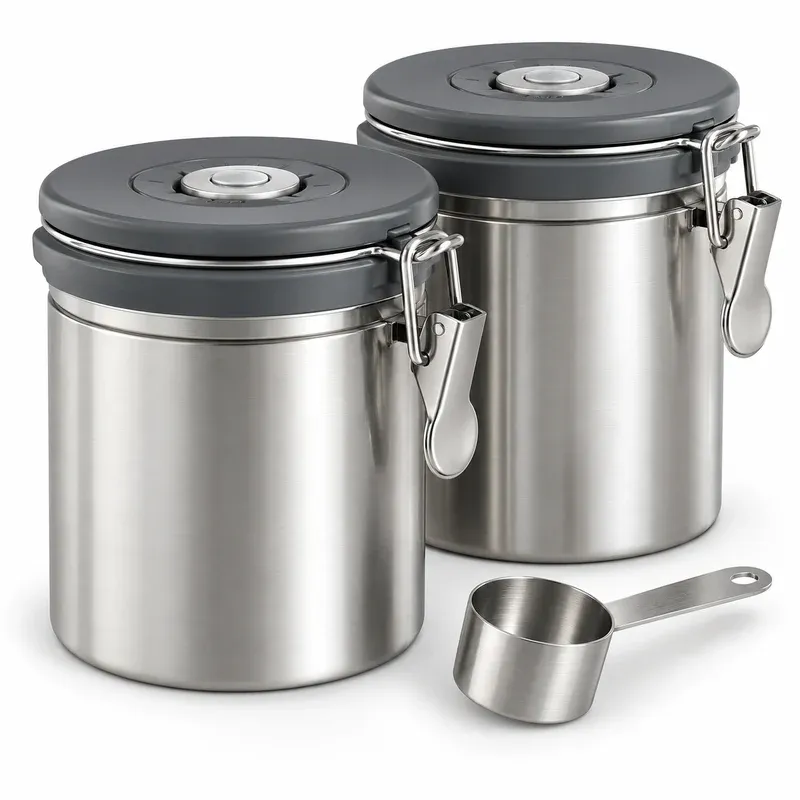
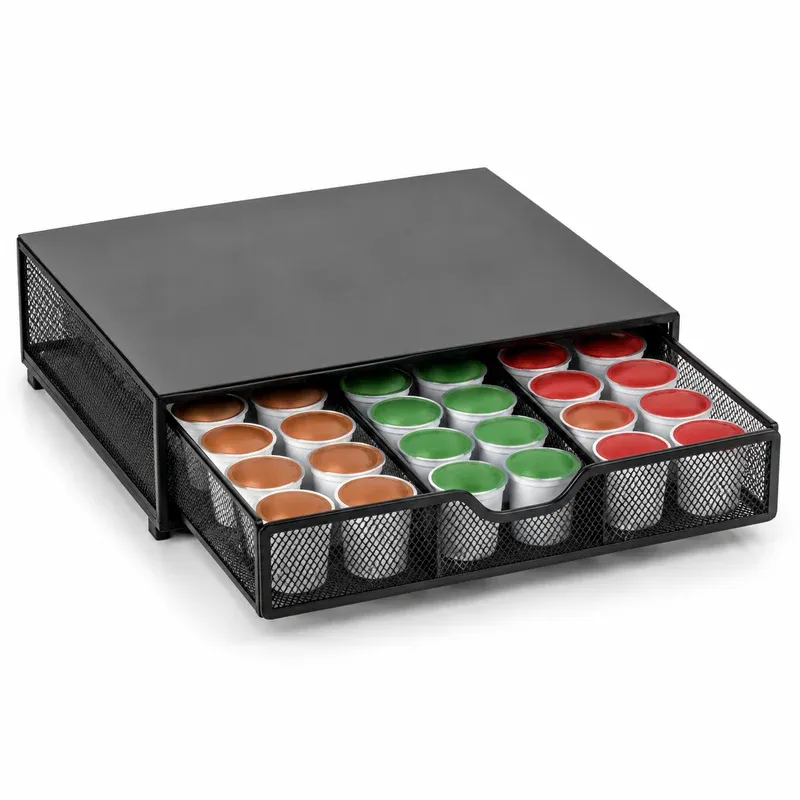
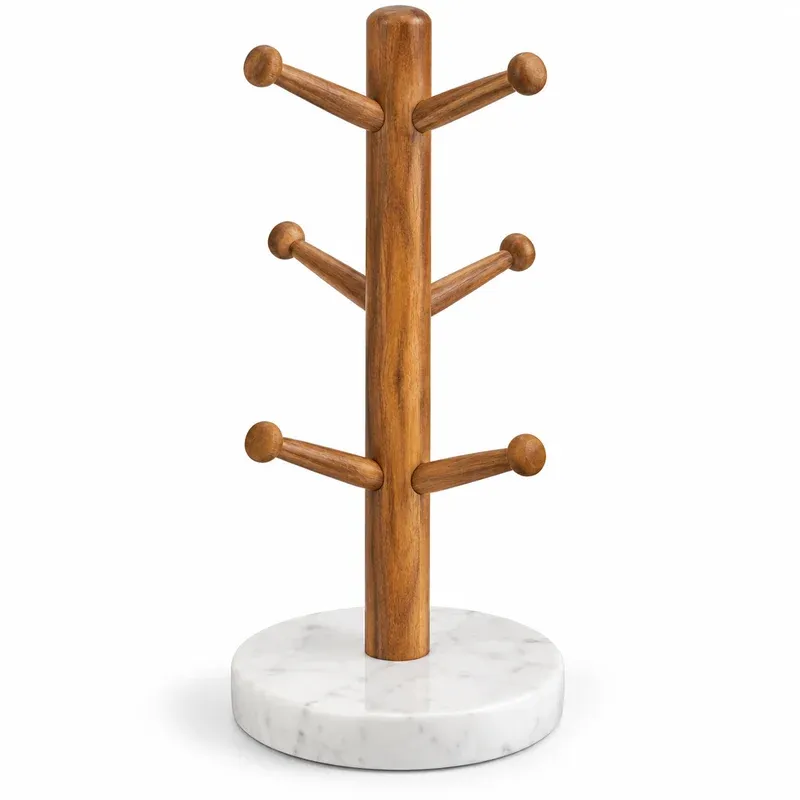
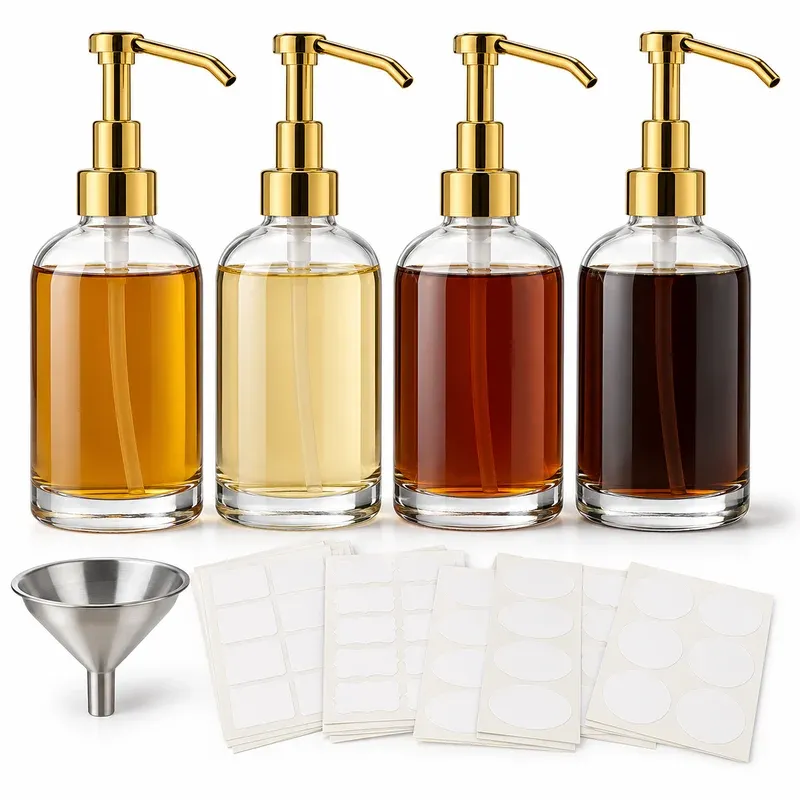
The two canisters solve the same problem in different ways. The Fellow Atmos pumps air out with a twist of the lid; the Coffee Gator has a one-way CO2 valve and a date wheel (listings).
Vacuum canister
Fellow Atmos Vacuum Coffee Canister, 0.4 L
- Best for
- Whole-bean buyers who leave the bag clipped open
- Why it's here
- A stainless steel canister you twist back and forth to pull air out. The 0.4-liter size holds about 6 ounces of beans, roughly half of a standard 12-ounce bag.
- Watch out
- The 0.4 L holds only 6 oz. A full 12 oz bag needs the larger size.
- Price
- $ · Save
What we like
- Pro: Vacuum seal slows staling
- Pro: Opaque, so no light gets in
- Pro: Looks good on open shelves
Keep in mind
- Con: Small for a full bag
- Con: Hand wash only
Check Price on Amazon for Fellow Atmos Vacuum Coffee Canister, 0.4 L (opens in a new tab)
Affiliate link · Price may change
For more on canisters and storage, see the coffee canisters guide and the mug guide .
Cute, unique and themed coffee bar accessories
This is the fun layer: a marble, wood or brass tray to anchor the station, a small sign, matching labels and a plant. Pick one material and repeat it. For printable options, our coffee bar labels guide covers syrup, canister and creamer labels with free templates.
Ingredients to stock (coffee, milks, sweeteners, toppings)
A coffee bar runs on four ingredient groups. Stock one or two of each, not ten, and add seasonal flavors as a swap rather than a pile-up.
| Coffee bases | Milks and creamers | Sweeteners and syrups | Toppings |
|---|---|---|---|
| Whole beans or ground, regular | Whole milk, 2% or half-and-half | Vanilla, caramel, hazelnut syrup | Cinnamon |
| Decaf for evenings and guests | Oat, almond or soy | Mocha sauce or chocolate syrup | Cocoa powder |
| Espresso or instant espresso powder | Flavored creamer | White, brown or raw sugar | Whipped cream |
| Cold brew concentrate (summer) | Cream for whipping | Honey, maple or agave | Nutmeg, pumpkin spice |
| Hot water for tea and cocoa | Homemade simple syrup | Vanilla or peppermint extract |
Simple syrup is the cheapest syrup on the list: equal parts sugar and hot water, stirred until clear. Food Network says homemade simple syrup keeps up to 1 month in the refrigerator in a sealed glass container, while Torani says its bottled syrups don’t need refrigeration.
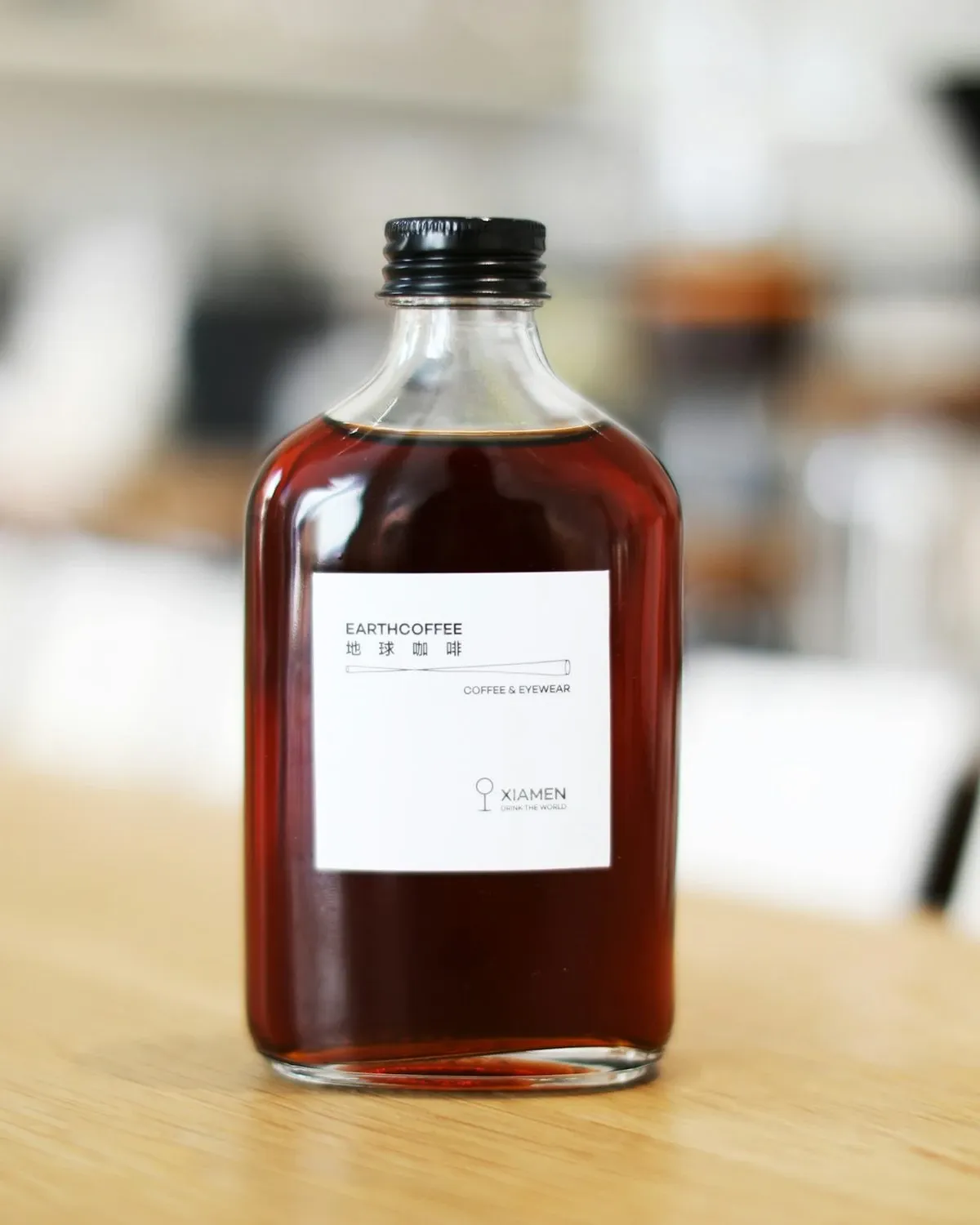
If you decant syrups into pump bottles, label them. The coffee bar labels guide has the flavor list to type and a made-on and use-by line for homemade syrup.
Shop a starter syrup set
Iced coffee bar essentials
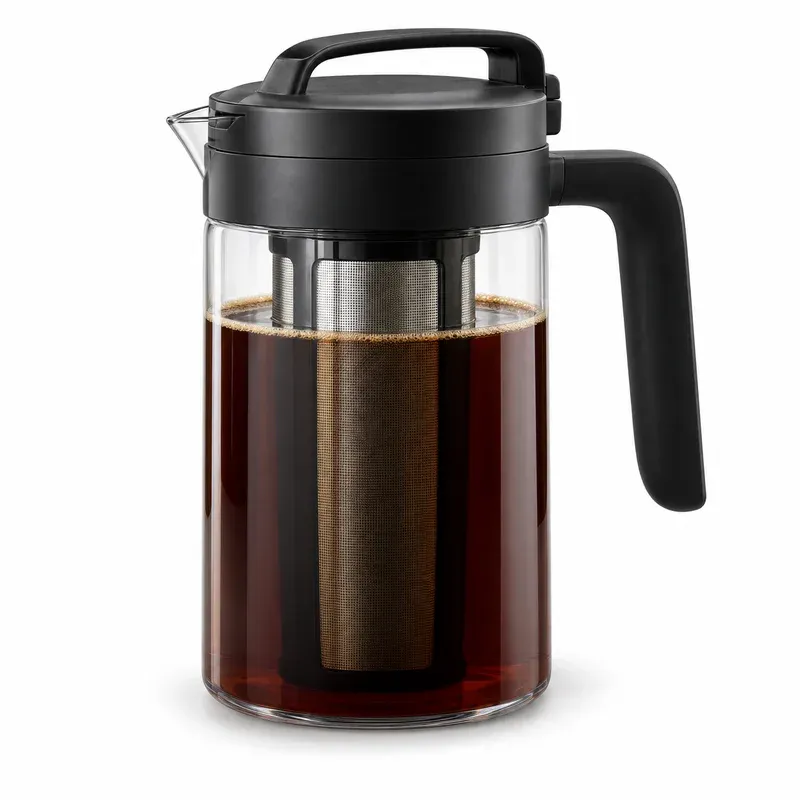
For iced drinks, add a cold brew maker or concentrate, a big bag of ice, tall glasses or to-go cups with lids, and a liquid sweetener, because granulated sugar doesn’t dissolve in cold coffee. A 1-quart cold brew maker fits in a fridge door.
Cold brew
Takeya Deluxe Cold Brew Coffee Maker, 1 Quart
- Best for
- Iced coffee and cold brew fans
- Why it's here
- A 1-quart Tritan pitcher with a fine-mesh filter insert and an airtight lid. Add coarse grounds and water, steep in the fridge overnight, then pull the filter out.
- Watch out
- The 1-quart size makes a few days of concentrate, not a week for two heavy drinkers.
- Price
- $ · Save
What we like
- Pro: Fits in a fridge door
- Pro: Airtight lid keeps the brew fresh for days
- Pro: Dishwasher safe
Keep in mind
- Con: Needs coarse-ground coffee
- Con: Mesh filter needs a rinse after each batch
Check Price on Amazon for Takeya Deluxe Cold Brew Coffee Maker, 1 Quart (opens in a new tab)
Affiliate link · Price may change
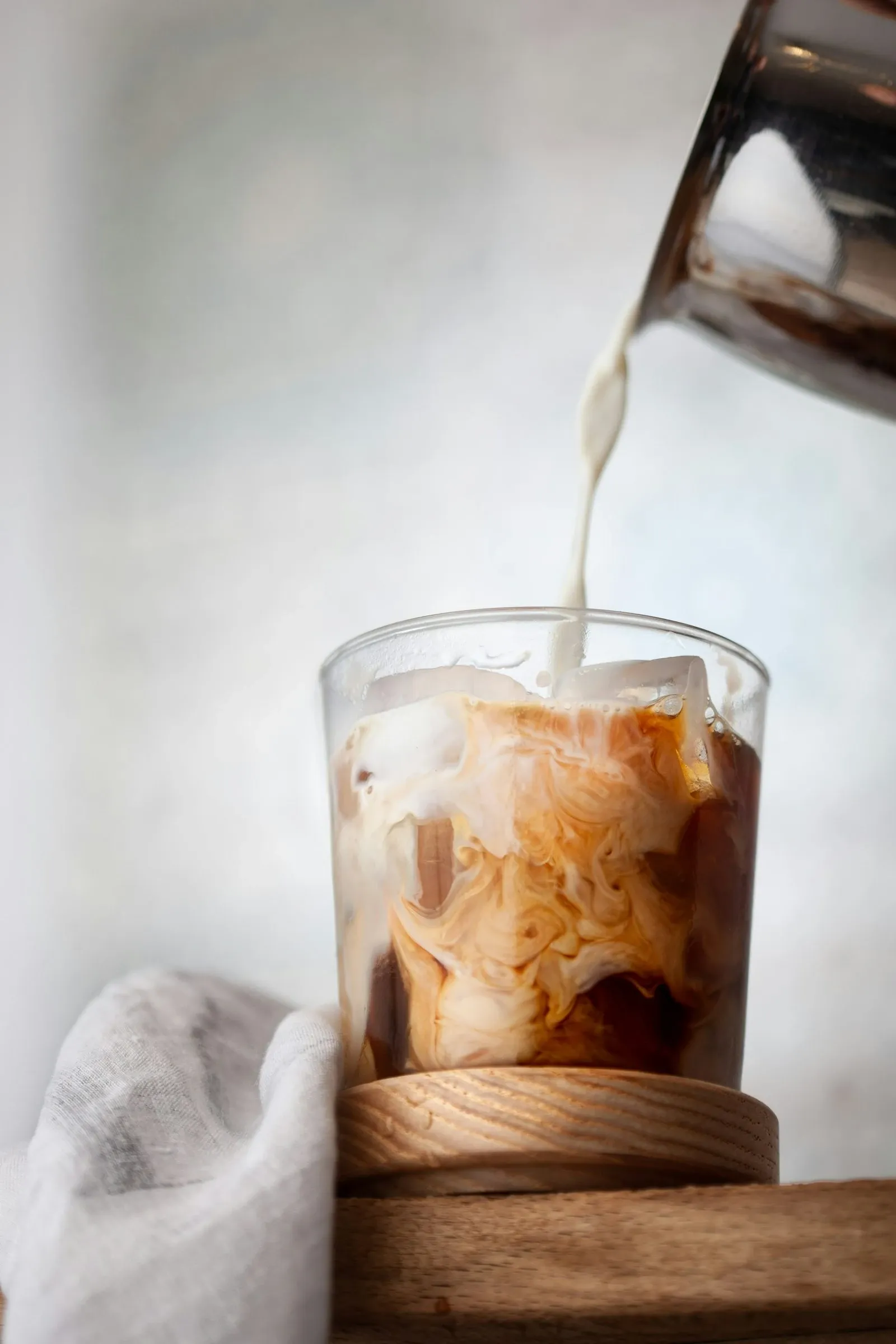
Espresso bar essentials (if you pull shots)
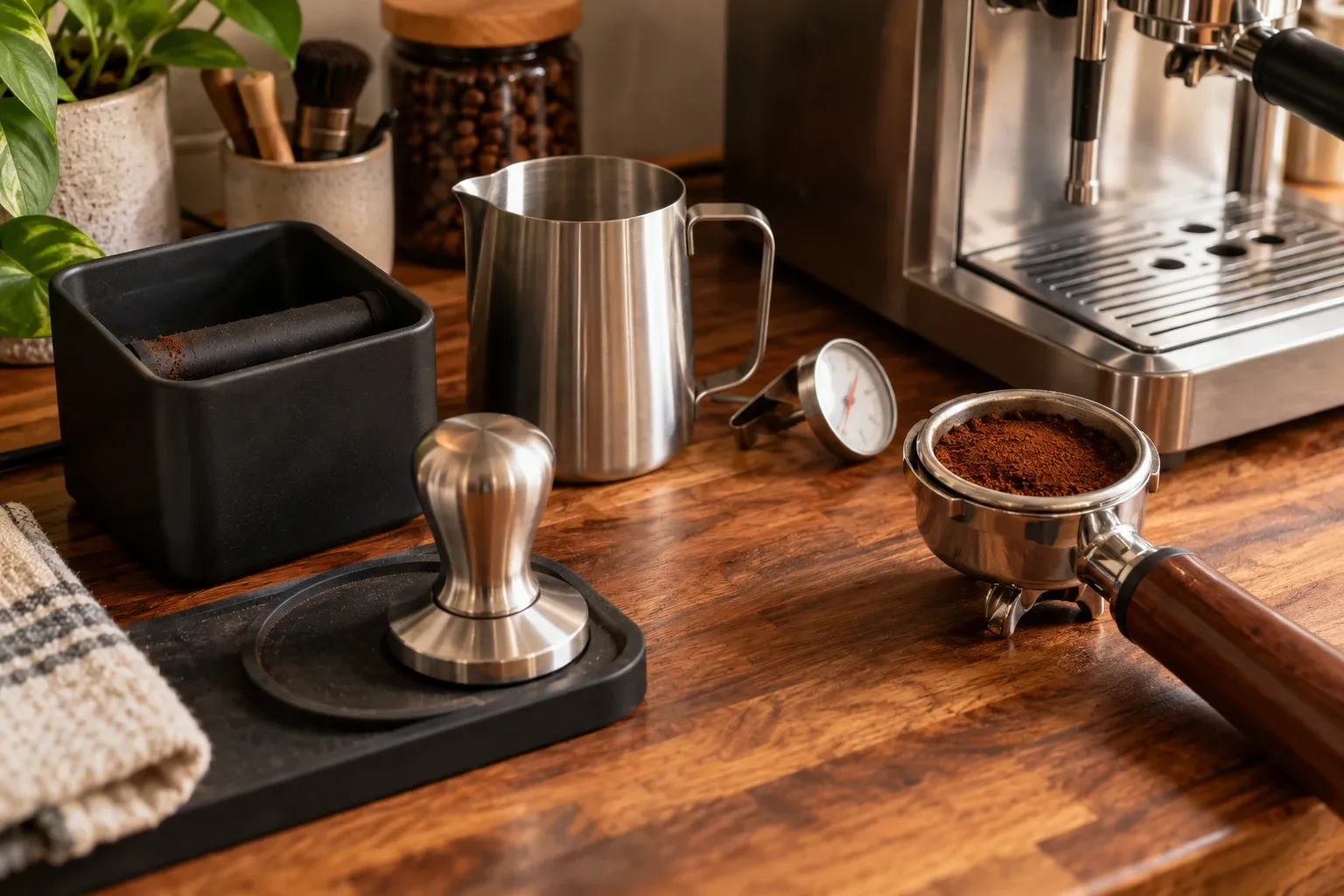
An espresso machine brings its own short list. The knock box and a milk pitcher are essential with a semi-automatic machine; the rest are upgrades.
- Tamper: presses the grounds flat so water flows evenly. Most machines include one.
- Tamping mat: holds the portafilter steady and protects the counter edge.
- Knock box: a bin with a bar to knock the used puck into, so you aren’t walking to the trash after each shot.
- Milk pitcher: a small steel pitcher for the steam wand; 12 ounces suits one latte.
- Thermometer: clips to the pitcher while you learn. The usual target for steamed milk is 140 to 150°F (60 to 65°C).
- WDT tool: fine needles break up clumps in the basket before you tamp. An upgrade for hobbyists.
- Cleaning: a brush, a cloth for the wand and the cleaning tablets or descaler your machine’s manual calls for.
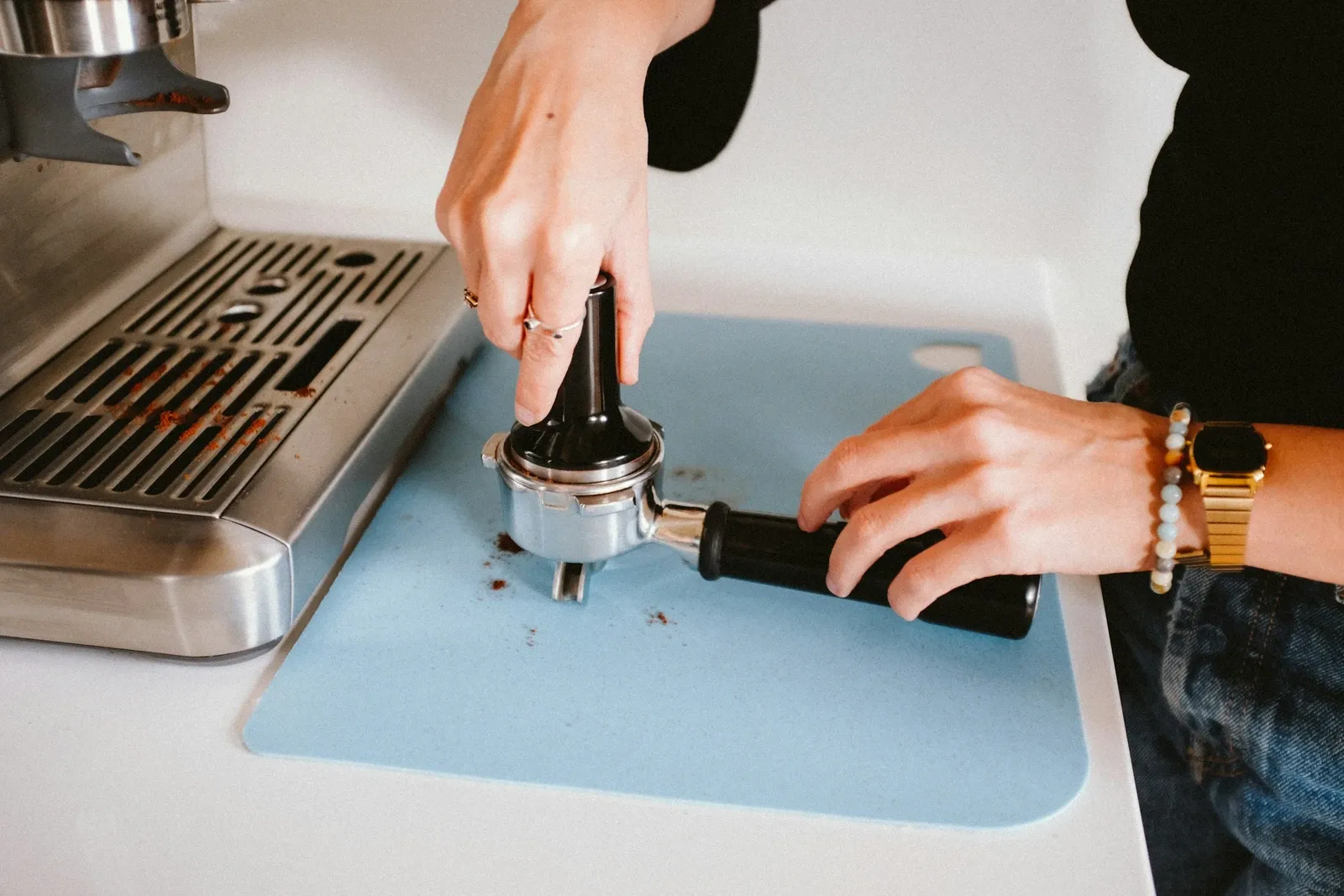
| Pick | Best for | Watch out | Price | Where to buy |
|---|---|---|---|---|
| Breville Knock Box 10 (BEA501BSS) | Anyone with a semi-automatic espresso machine | 7 in square. On a tight counter, empty it daily; wet pucks smell by day two. | $$ | Check Price for Breville Knock Box 10 (BEA501BSS) on Amazon (opens in a new tab) |
| Normcore Espresso Tamping Mat | Home baristas who tamp on a stone or wood counter | Sized for the counter corner or edge; measure 9.1 x 5.9 in of free space next to the machine. | $ | Check Price for Normcore Espresso Tamping Mat on Amazon (opens in a new tab) |
| De'Longhi Stainless Steel Milk Frothing Jug, 12 oz (DLSC060) | Machines with a steam wand | Only needed with a steam wand. Pod and handheld-frother setups can skip it. | $ | Check Price for De'Longhi Stainless Steel Milk Frothing Jug, 12 oz (DLSC060) on Amazon (opens in a new tab) |
| CDN ProAccurate Beverage and Frothing Thermometer (IRT220-F) | New espresso machine owners learning to steam milk | Analog dial: hand wash and recalibrate with the sheath tool now and then. | $ | Check Price for CDN ProAccurate Beverage and Frothing Thermometer (IRT220-F) on Amazon (opens in a new tab) |
| Normcore WDT Distribution Tool with Stand, V3 | Home espresso hobbyists | Only useful for espresso. Skip it for drip or pod drinkers. | $ | Check Price for Normcore WDT Distribution Tool with Stand, V3 on Amazon (opens in a new tab) |
Puck disposal
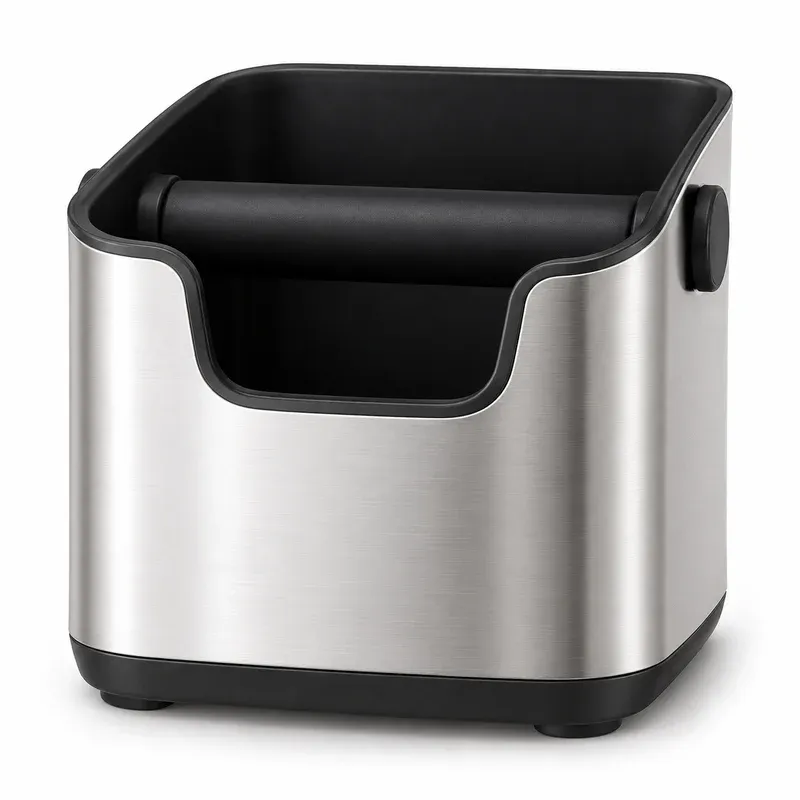
Breville Knock Box 10 (BEA501BSS)
- Best for
- Anyone with a semi-automatic espresso machine
- Why it's here
- Stainless knock box with a removable knock bar. Holds about 10 used espresso pucks, so you are not walking to the trash after every shot.
- Watch out
- 7 in square. On a tight counter, empty it daily; wet pucks smell by day two.
- Price
- $$ · Mid
What we like
- Pro: Removable bar for cleaning
- Pro: Matches Breville machines
- Pro: Small enough to store on the drip tray (maker)
Keep in mind
- Con: Pricier than generic knock boxes
- Con: Plastic inner tub
Check Price on Amazon for Breville Knock Box 10 (BEA501BSS) (opens in a new tab)
Affiliate link · Price may change
Essentials by setup: pod, drip, pour-over, espresso, cold brew
Your brew method decides half the list. Find your row:
| Setup | Extras you need | Storage | Nice to have |
|---|---|---|---|
| Pod (Keurig, Nespresso) | Milk frother if you like lattes | Pod drawer or caddy | Reusable pod, descaler |
| Drip | Burr grinder | Opaque airtight canister | Thermal carafe |
| Pour-over | Gooseneck kettle, 0.1 g scale, burr grinder | Filters in a drawer | Temperature-control kettle |
| French press | Burr grinder set coarse, kettle | Canister | Timer |
| Espresso | Grinder, knock box, milk pitcher | Canister, tamping mat | Thermometer, WDT tool |
| Cold brew | Cold brew maker or concentrate | Space in the fridge | Liquid sweetener, to-go cups |
Essentials for a small coffee bar or home-office station
A small station needs a minimum kit, not a smaller version of everything. Seven pieces cover most mornings:
- A compact brewer (a pod machine, a pour-over cone or a French press).
- One opaque airtight canister, or a pod drawer that sits under the brewer.
- Two to four mugs, on a mug tree or hooks.
- A small kettle if you brew manually or drink tea.
- One syrup or a sugar jar.
- A spoon cup and napkins.
- A tray or mat to hold it all together.
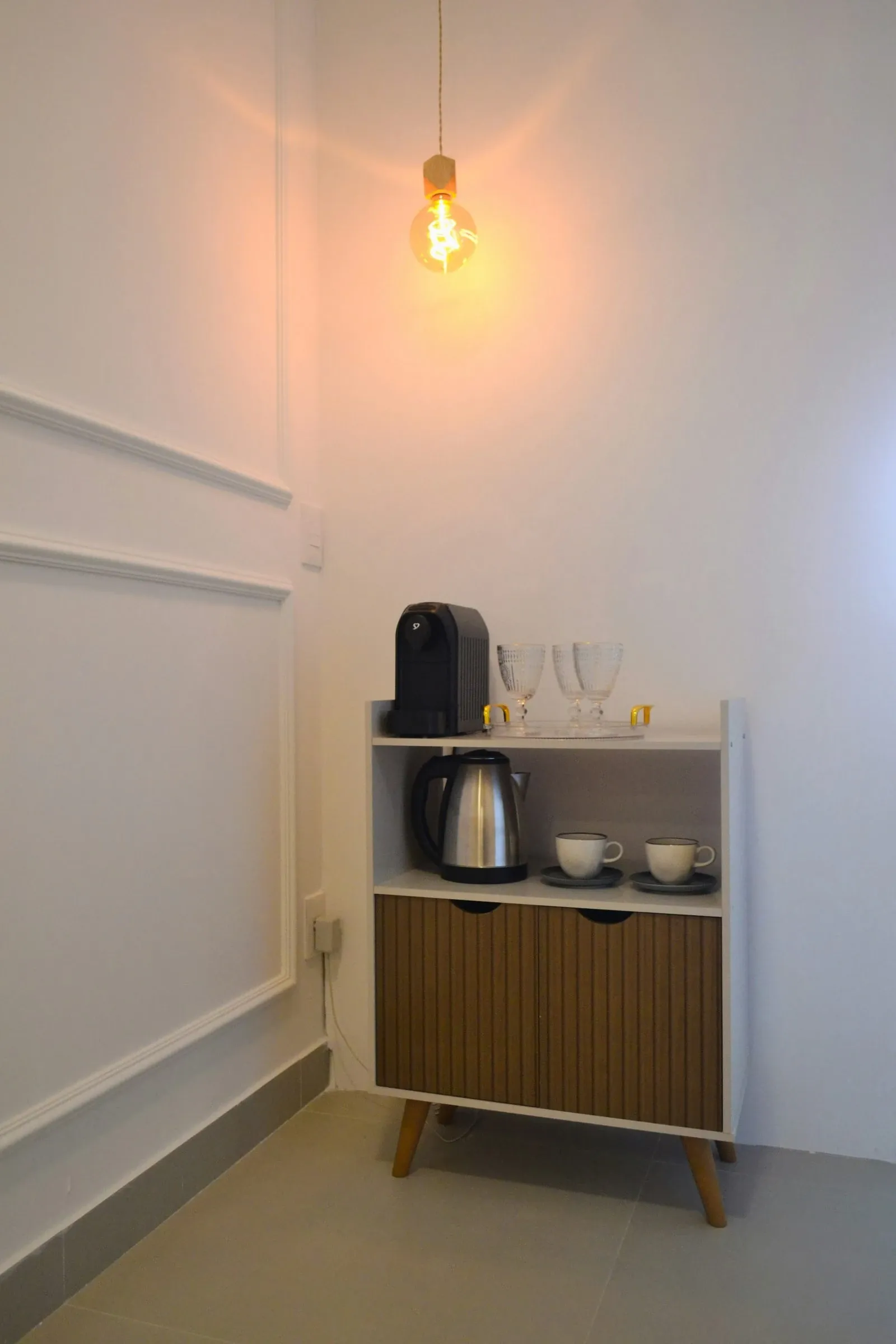
Go vertical for the rest: a floating shelf, a rail with S-hooks or a two-tier riser keeps the counter clear. In a home office, keep milk out of the kit unless there’s a fridge nearby; the USDA says perishable food shouldn’t sit out more than 2 hours.
Minimalist coffee bar essentials
For a minimalist bar, stop at five: a brewer, a grinder, one canister, a kettle and two mugs. Everything matches or hides. More minimalist looks are in our coffee bar ideas.
Coffee bar essentials on a budget
Build the bar in three passes. Here is what each tier looks like by brew method:
| Tier | Pod or drip | Pour-over | Espresso |
|---|---|---|---|
| Starter ($) | Brewer, canister, mug tree, sugar jar | Plastic or ceramic cone, stovetop kettle, canister | Machine, the included tamper, a small trash cup for pucks |
| Upgrade ($$) | Burr grinder, pod drawer, milk frother, mat | Burr grinder, 0.1 g scale, gooseneck kettle | Knock box, milk pitcher, tamping mat, thermometer |
| Splurge ($$$) | Temperature-control mug, matching pump bottles | Temperature-control electric kettle | WDT tool, dosing cup, a better grinder |
Prices change too often to print here, so the tiers use $ signs. Check the retailer for today’s price.
What you don’t need (the skip list)
My take on the common overbuys:
- A full set of 6 syrups on day one. Start with one or two you know you like.
- A second gadget that does the same job. A handheld frother and an electric frother jug are one too many unless both get used.
- Decor before storage. A sign won’t fix a counter covered in pod boxes.
- Barista tools for a pod machine. Scales, tampers and thermometers only matter for manual brewing and espresso.
- Clear canisters for beans. They look good but let in light; keep them for sugar and pods.
How to arrange and store your coffee bar essentials
Arrange the bar in the order you make a cup: beans, grind, brew, milk, flavor, serve.
- Beans and grinder at one end, next to the outlet.
- Brewer in the middle, at the back, with clearance above for the lid.
- Milk and frother beside the brewer; milk goes back in the fridge after use.
- Syrups and sugar on a riser or tray on the other side.
- Mugs above or at the end, on a shelf or mug tree.
- Backstock in the drawer or cabinet below: filters, spare beans, pods, napkins, cleaning tablets.
With an espresso machine, put the knock box on the side closest to the trash bin. Label the backstock bins so refills go back in the same place; the coffee bar labels guide covers canister and pantry labels. For a cabinet setup, see the coffee bar cabinet guide.
Where to buy coffee bar essentials
Each retailer is good at something different. This is what the stores in the search results for “coffee bar essentials” are best for:
| Where | Best for | Keep in mind |
|---|---|---|
| Amazon | Organizers, pod drawers, pump bottles, labels, espresso tools | Check the listing dimensions; many items are near-identical |
| Target | Brewers, frothers, mats and seasonal mugs, in store or online | Seasonal stock changes fast |
| Williams Sonoma | Premium kettles, trays and machines | Higher prices, good for gifts |
| Anthropologie | Decorative mugs and canisters | Style first, function second |
| Etsy | Handmade mugs, signs and personalized labels | Lead times on custom orders |
| IKEA | Shelves, rails, jars and carts | Most pieces need assembly |
My favorite Amazon picks are rounded up in Amazon coffee bar finds.
Unique coffee bar essentials that make great gifts
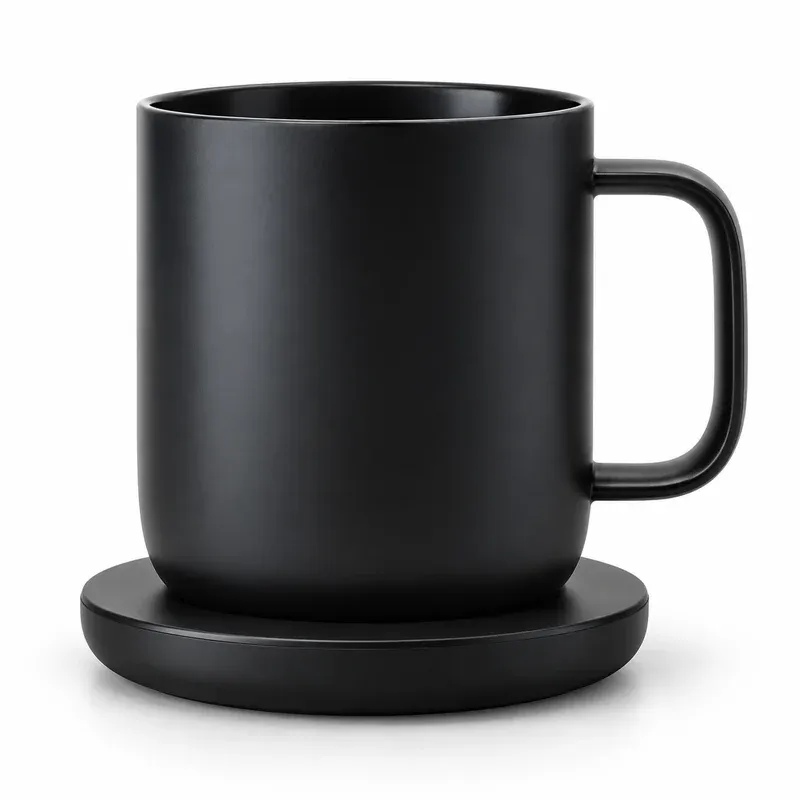
Several items on this list double as gifts for someone who already has a coffee bar: an electric gooseneck kettle, a vacuum canister, a 0.1 g scale, matching syrup bottles or a temperature-control mug like the Ember Mug 2. Our gifts for coffee lovers guide sorts more ideas by budget, and a hot cocoa bar shares half of these essentials in winter.
Gift pick
Ember Mug 2 Temperature Control Smart Mug, 10 oz
- Best for
- Slow sippers, remote workers, new parents
- Why it's here
- A heated mug that holds coffee at the temperature they pick in the app, with about 80 minutes of battery or all day on its charging coaster. Ember's newer Mug 3 is also on the way to more stores.
- Watch out
- Hand wash only. Not microwave safe. Check which generation is in stock before you buy.
- Price
- $$$ · Splurge
What we like
- Pro: Coffee stays hot until the last sip
- Pro: Charging coaster doubles as a parking spot
- Pro: Feels like a treat they'd never buy themselves
Keep in mind
- Con: Pricey for a mug
- Con: Hand wash only
Check Price on Amazon for Ember Mug 2 Temperature Control Smart Mug, 10 oz (opens in a new tab)
Affiliate link · Price may change
Are coffee bar essentials worth it?
The essential tier is worth it if you make coffee at home most days, because it is a short list of tools you use every morning. The upgrades pay off only for the brew method they serve: a scale for pour-over, a knock box for espresso. Decor and gadgets are optional, and the checklist above shows which is which.
Frequently asked questions
What do you need for a coffee bar?
A brewer that matches how you drink coffee, a burr grinder if you buy whole beans, a kettle for pour-over or tea, an opaque airtight canister, a spot for mugs, and the add-ins you actually use: one or two syrups, sugar and milk or creamer. Everything else is an upgrade.
What ingredients do you need for a coffee bar?
Stock four groups: coffee bases (regular and decaf beans or grounds, plus cold brew concentrate in summer), milks and creamers, sweeteners and syrups (vanilla, caramel, sugar, honey), and toppings like cinnamon, cocoa powder and whipped cream.
What are some good accessories for a coffee bar?
The accessories that earn their space are an opaque airtight canister, a pod drawer or caddy, syrup pump bottles, a mug tree or shelf, a tray or mat under the machine and, for espresso, a knock box and tamping mat.
How do I make simple syrup for my coffee bar?
Heat equal parts sugar and water, stirring until the sugar dissolves, then let it cool. Food Network says to store it in a sealed glass container in the refrigerator for up to 1 month. Label the bottle with the date you made it.
What should I put in a coffee bar cabinet?
Keep daily items on top and backstock behind the doors: spare beans or pods, filters, extra mugs, napkins, to-go cups, cleaning tablets and descaler. Bins with labels keep refills in the same place every time.
Are coffee bar essentials worth it?
The essential tier is worth it if you make coffee at home most days, because it is a short list of tools you use every morning. Upgrades like a scale or gooseneck kettle are worth it only if you brew pour-over or espresso. Decor and gadgets are optional.
Free coffee bar essentials checklist
Every tool and supply on one printable page, tagged essential, upgrade or splurge, so you buy the right things first.